Connect the equipment you use
We help select suitable devices and connect them to your software. That might mean sending orders to a label printer, reading a staff card, or capturing information from a sensor.
Hardware & software integration
We connect sensors, scanners, printers and other devices to your business software—so information can be captured automatically and equipment becomes part of how you work.
We can help select suitable hardware, connect existing equipment, or develop a prototype when your requirements need something different.
Sound familiar?
Your equipment may already capture useful information. The challenge is getting it into the right system, or making the device do what your team needs.
In practice / Auckland Airport
A practical connection between physical equipment and the people using it.
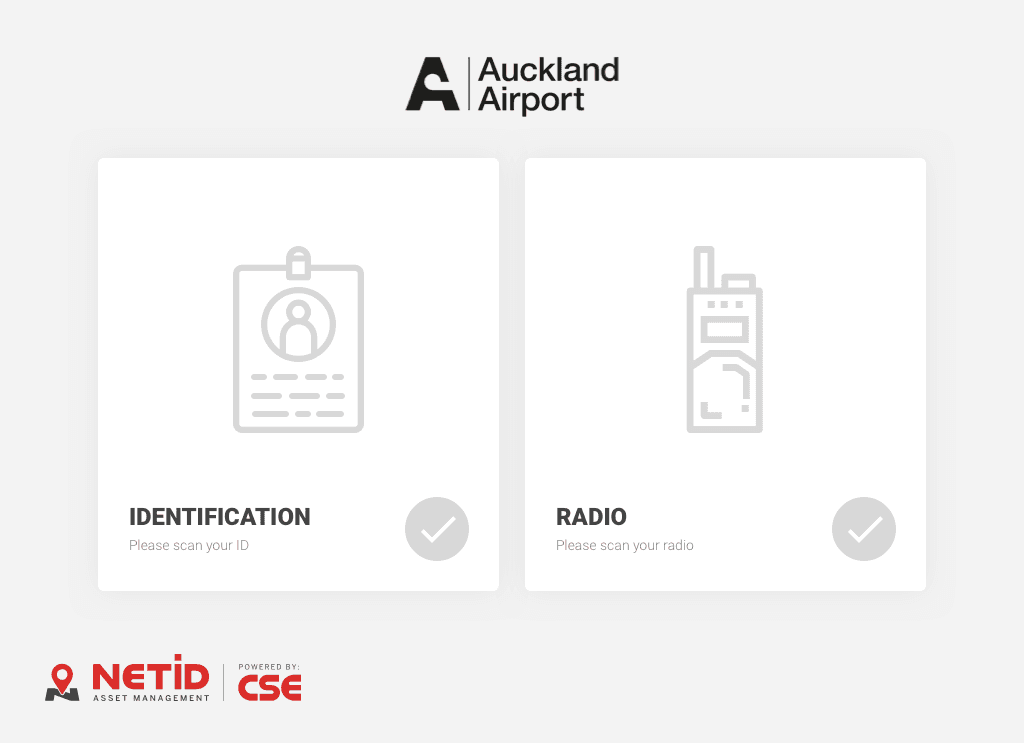
For Auckland International Airport, we worked with Calo on a radio management system that brings checkout terminals, staff access cards and the radio network together.
Staff swipe their access card and radio to check equipment in or out. Behind that simple interaction, Philo’s software connects the terminals to the radio system and gives managers a clear view of equipment use.
How we can help
We bring software development and hands-on hardware work together, choosing the approach that fits the job.
We help select suitable devices and connect them to your software. That might mean sending orders to a label printer, reading a staff card, or capturing information from a sensor.
Embedded programming is the software that makes a device work. We write that software to read inputs, control behaviour and communicate with your wider system.
We assemble and program prototypes, using 3D printing for parts, mounts and housings. When a project needs electronics design or certification, we work with specialist partners.
Getting started
You do not need a complete technical specification. Bring us the problem, the equipment you have, or the idea you want to explore.
We look at how people will use the equipment, where it will operate and which systems it needs to connect to.
We assess suitable existing hardware or develop a prototype. Testing helps establish what will work before committing to a wider rollout.
We develop the software and integrations, test the equipment in its intended setting, and agree the steps for installation and handover.
Working together
Philo handles the software, device programming, integration and prototyping. We can work with your hardware supplier and bring in our partners for electronics design and certification.
If your main goal is to track assets or monitor conditions across sites, our IoT service covers that work in more detail.
Start a conversation
Tell us about the task you want to improve, the hardware you already use, or the prototype you have in mind.
If you know the device make and model, include it. If you are still exploring an idea, a plain-language description is a good place to start.
contact@philo.co.nz