Understand your processes
We work through how tasks move between people and systems, where information is captured and where work gets held up. This helps separate the underlying problem from its symptoms.
Software advice & planning
You know what needs to work better in your business. We help you turn that into a clear plan for your software.
From understanding your day-to-day processes to defining what a new system needs to do, we make the options easier to understand and the next step easier to take.
Sound familiar?
When work gets held up, it's not always obvious whether you need new software, a change to an existing system or a simpler way of doing things.
In practice / Fraterworks
A focused software project starts with understanding the work.
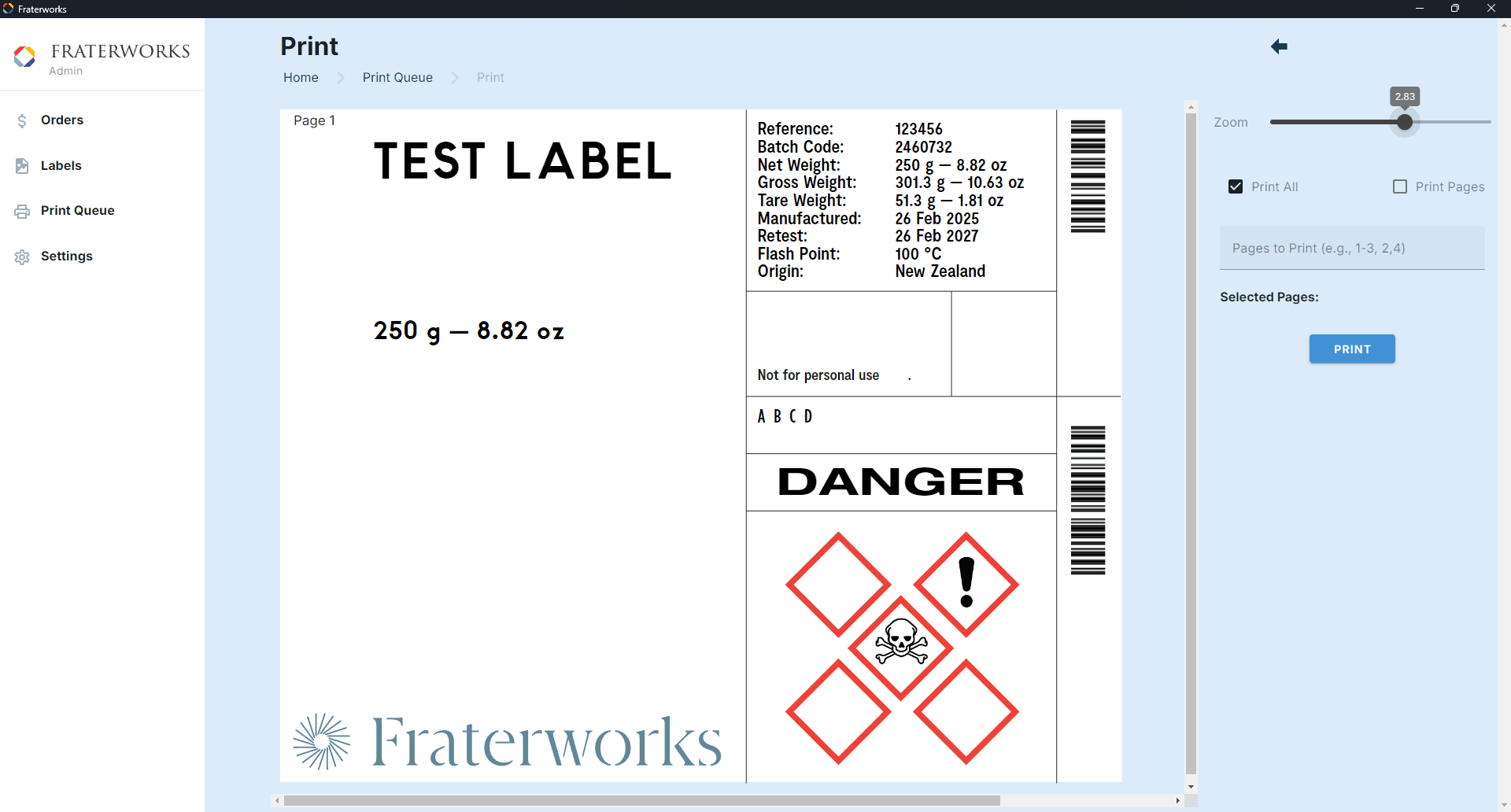
At Fraterworks, preparing labels had become a time-consuming part of manufacturing. Staff were spending late nights getting labels ready for the next day's orders.
Philo investigated the manufacturing process on site and identified several opportunities for improvement. Label printing was chosen as the first problem to solve.
We then built software that connects Shopify orders to the label printers, replacing manual label preparation with a few clicks.
How we can help
We bring software development experience to the planning stage, so the recommendations can lead to practical changes.
We work through how tasks move between people and systems, where information is captured and where work gets held up. This helps separate the underlying problem from its symptoms.
We look at what you already have and where changes would help. That could mean improving an existing application, connecting systems or developing new software.
We turn the priorities into clear requirements and a development plan, with an estimate of the work involved. You can see what to tackle first and what can wait.
Getting started
Engagements can be scoped around a specific piece of work or provided on an hourly basis. We agree the approach and cost before starting.
Tell us what is getting in the way or what you want to achieve. Together, we define the questions to answer and the work needed to answer them.
We review the relevant processes with your team and look at the systems supporting them. We map the current workflow and explore practical options for improvement.
We explain the findings and recommendations in plain language, with clear priorities and a plan you can use to decide what happens next.
What you receive
The deliverables are agreed for your engagement. These can include process maps, written recommendations, software requirements, a development plan and an estimate.
If you want Philo to build the solution, we can scope the development from this work. The planning engagement gives you the information to decide before committing to a build.
Start a conversation
Bring us a process that takes too long, software that doesn't fit, or an idea you want to work through. You don't need a technical brief to start the conversation.
We'll help you define a useful starting point and agree whether a scoped engagement or hourly advice is the right fit.
contact@philo.co.nz