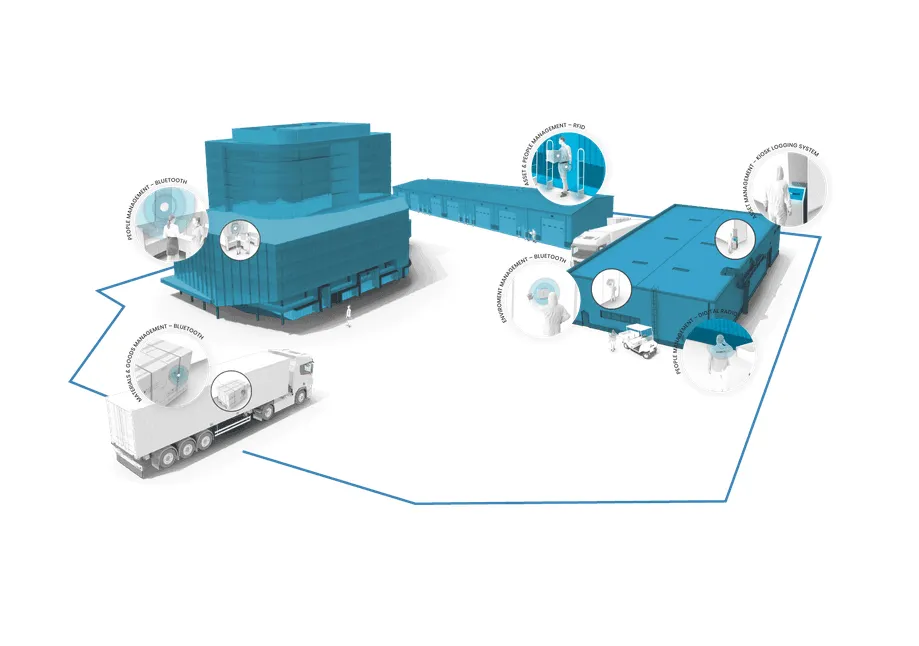
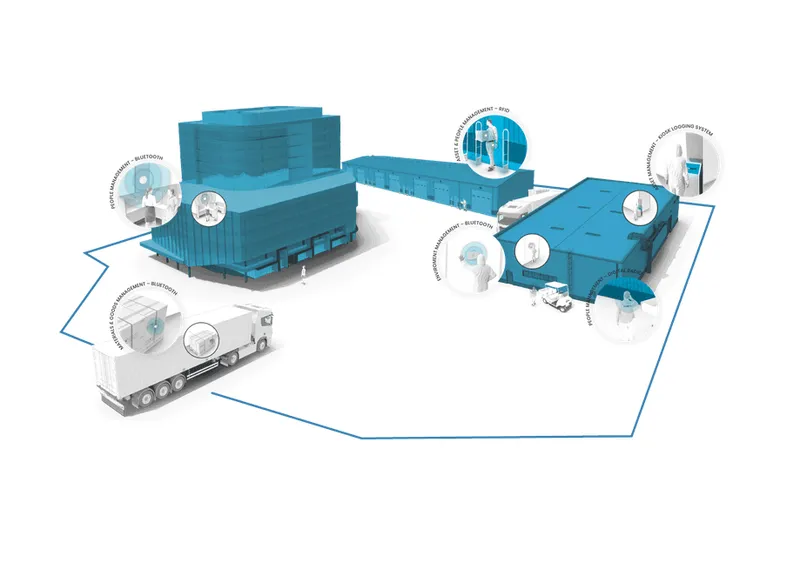
In the dynamic landscape of modern business, gaining real-time visibility into operations is paramount for success. The Internet of Things (IoT) has emerged as a game-changer, offering companies unprecedented opportunities to gather actionable insights and optimize their processes.
IoT technology enables the seamless integration of sensors and devices into various systems, allowing for the continuous monitoring of critical parameters. Whether it's tracking tank water levels, monitoring temperature in shipping containers, or measuring energy consumption in facilities, IoT devices provide a wealth of data that can be leveraged to improve efficiency and drive innovation.
One of the key benefits of IoT is predictive analytics. By collecting and analyzing data from IoT-enabled devices, software algorithms can identify patterns and trends, enabling predictive maintenance and proactive decision-making. For example, by monitoring equipment performance in real-time, companies can anticipate potential failures and schedule maintenance before issues escalate, thus minimizing downtime and optimizing resource allocation.
Furthermore, IoT facilitates data-driven decision-making by providing stakeholders with access to actionable insights. Through centralized dashboards and analytics platforms, companies can visualize key performance metrics and track progress in real-time. This transparency enables informed decision-making at every level of the organization, from optimizing production processes to enhancing customer experiences.
Another significant advantage of IoT is its ability to enhance product quality and reliability. By incorporating sensors into products, companies can gather feedback on usage patterns and performance in real-world environments. This data can then be used to iteratively improve product design, identify areas for optimization, and ensure that customer needs are met effectively.
Moreover, IoT enables companies to unlock new revenue streams and business models. By leveraging data collected from IoT devices, software development companies can offer value-added services such as predictive maintenance contracts, subscription-based analytics platforms, or usage-based billing models. This not only enhances customer satisfaction but also creates additional sources of recurring revenue.
In summary, the integration of IoT into software development processes offers a multitude of benefits, from predictive maintenance and data-driven decision-making to improved product quality and new revenue opportunities. By harnessing the power of IoT, companies can stay ahead of the competition, drive innovation, and deliver value to customers in today's rapidly evolving digital landscape.
Take a look at our product On Sight which does just this, and see how visibility to your business can unlock the next level of operations.